All Categories
Featured
Table of Contents
Home mortgages aren't easy to knock out overnight. It's a worthy monetary goal to prioritize paying off your mortgage early and owning your house outright. Here are a couple techniques you can discuss with your bank to see if they make good sense. Modifying allows you to make a lump-sum payment towards your principal and ask your lender to re-amortize the loan.
Lots of lending institutions only charge a little admin charge for this. Refinancing may make sense if rates fall far enough in 2026. Simply ensure to run the mathematics on closing expenses and your break-even timeline-- specifically if you do not prepare to remain in the home long term. Either technique can assist maximize monthly capital, which you can put directly back into primary paydown or other financial objectives.
That's where a non-profit credit therapy firm can help. (NFCC) offer: Free or low-cost individually guidanceHelp creating custom-made debt benefit plansNegotiating aid with lendersAccess to structured Debt Management Plans (DMPs), where you make a single month-to-month payment and the firm pays your creditors directlyHonestly, I've spoken with people that work for these non-profits and they are life-savers.
There's no magic trick to totally erase your debt. It takes tough work, saving money, and making stable payments. You might have to make some sacrifices. But not all benefit paths are the same. Some charge more interest, take longer, or drain your month-to-month budget. Others-- like balance transfer cards-- provide you a running start by dropping interest rates to 0% for a period and letting you put every dollar towards progress.
Do government debt relief programs exist? Yes, there are a number of programs readily available to people with financial issues who require help. These programs include: IRS Fresh Start programIncome-driven student loan repaymentStudent loan disability dischargePublic service loan forgivenessIf you certify, these programs can assist you get out from under unaffordable debt. Nevertheless, there are no government financial obligation relief programs for charge card balances.
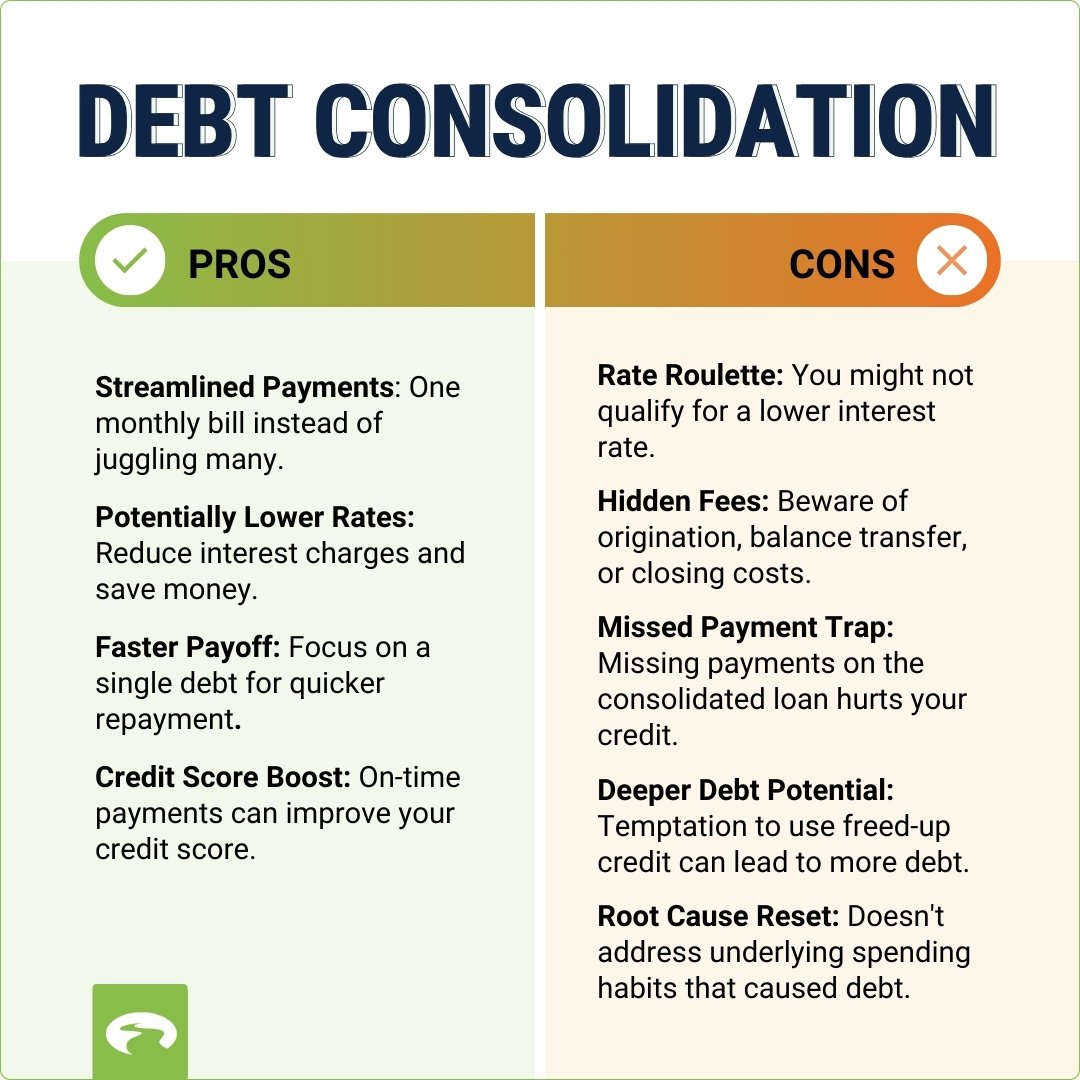
Should You Consolidate Your Debt in 2026?
Can the federal government assist with your financial obligation? It's possible. There are a few various methods the federal government might help make your financial obligation more workable. Federal financial obligation relief programs can assist with financial obligations like overdue taxes and student loans. For qualified borrowers, they provide a range of solutions to make your financial obligation more economical.
If you have charge card debt or other types of non-government debt, federal financial obligation relief programs might still belong to the option for you. Taking advantage of federal government relief for taxes or trainee loans could leave you with more resources to handle other kinds of financial obligation. Take the time to evaluate the government debt relief choices described below to see if you may certify.
IRS financial obligation relief alternatives include: Pay over time: You can use to the internal revenue service to establish an installation payment strategy instead of needing to pay all at when: This is a worked out settlement to pay less than the full quantity you oweCurrently not collectible: If the internal revenue service determines you can not pay your financial obligation at this time, they may concur to delay collection up until you are better able toPenalty reduction: The IRS may consent to waive specific penalties if you took steps to adhere to the guidelines but didn't make payments due to aspects beyond your control.
Income-driven repayment plans are designed to make your student loan payments more inexpensive. There are four types of income-driven student loan payment plans: Conserve on a Belongings Education (SAVE): This was formerly the REPAYE Strategy.
Forgives staying financial obligation after 20 to 25 years. Pay As You Make Repayment Strategy (PAYE Strategy): Limitations repayment to 10% of discretionary earnings. Forgives staying debt after twenty years. Income-Based Payment Strategy (IBR Strategy): Limits repayment to 10% or 15% of discretionary earnings. Forgives staying financial obligation after 20 to 25 years.
Evaluating the Top 2026 Credit Settlement Options
Forgives remaining debt after 25 years. Note that these plans undergo change with time. A few of these payment strategies might become not available to new debtors in 2026. Have a look at the federal government's Trainee Aid website for the latest information. Even for those who qualify, these plans are not automatic.
Expert Debt Relief AnalysesCertification for these programs depends upon your financial circumstances, what type of loan you have and when you borrowed it. See the site for details on your eligibility. If you have federal student loans and you end up being totally and permanently handicapped, you might be able to get your loans discharged.

Latest Posts
Top Financial Management Programs for 2026
Choosing Top-Tier Debt Management Services
Comprehensive Debt Management Reviews to Watch